
In Florida, parental responsibility involves the authority to make key decisions for a child's education, medical care, and upbringing. At Segarra & Associates, P.A., our experienced family law attorneys assist parents in resolving disputes over parental responsibility and advocate for their child's best interests.

Discuss your parental responsibility concerns with a member of our legal team.
Call Segarra & Associates, P.A. at (305) 742-5042 Today For A Confidential Consultation.
Parental Responsibility in Florida
When parents separate or divorce, one of the most important legal questions is who has the authority to make major decisions for a child. In Florida, this issue is known as parental responsibility, and it affects education, medical care, religious upbringing, and other choices that shape a child's daily life and long-term well-being.
At Segarra & Associates, P.A., we help parents in Miami-Dade and Orlando understand how parental responsibility works under Florida law and how courts decide what arrangement serves the best interests of the child. Our role is to guide you through the process, protect your parental rights, and present clear evidence to the court when difficult issues arise.
What Is Parental Responsibility Under Florida Law?
Florida law gives courts several options when determining parental responsibility for minor children:
-
-
Shared Parental Responsibility
-
Shared Parental Responsibility With Ultimate Decision-Making Authority
-
Sole Parental Responsibility
-
These terms describe how decision-making authority is divided between parents. They are different from time sharing, which focuses on where the child lives and how parenting time is divided and is addressed in the parenting plan's time-sharing schedule.
Shared Parental Responsibility
Shared parental responsibility means that both parents have full parental rights and responsibilities. Major decisions affecting the child must be made jointly, after meaningful discussion between parents.
This includes decisions about:
-
Education and school placement/enrollment
-
Medical and mental health care
-
Religious upbringing
-
Extracurricular activities that significantly affect the child
Florida courts begin with the presumption that shared parental responsibility is appropriate unless it would be detrimental to the child.
Shared Parental Responsibility With Ultimate Decision-Making Authority
In some cases, the court orders shared parental responsibility but gives one parent “ultimate decision-making authority” over certain issues. This means both parents must confer and attempt to agree, but if they cannot, one parent has the final say in the specified area.
The court may:
-
-
Limit ultimate decision-making to specific topics, such as medical, educational, or extracurricular decisions.
-
Grant one parent ultimate decision-making authority over all major decisions when parents have shown they cannot resolve conflicts together.
-
To obtain this type of order, a parent generally must show that equal decision-making is unworkable or would negatively affect the child, even though shared involvement is still in the child's best interests.
Sole Parental Responsibility
Sole parental responsibility means that one parent has the authority to make major decisions for the child without needing the other parent's consent. The other parent may still have time-sharing, but does not participate in major decision-making.
Courts may award sole parental responsibility when shared decision-making would be detrimental to the child. This determination is fact-specific and depends on evidence presented to the court.
When Will a Court Award Sole Parental Responsibility?
Under Florida Statute Section 61.13(2)(c)2, the court is required to order shared parental responsibility unless it determines that shared decision making would be detrimental to the child's well-being.
Situations that may support a request for sole parental responsibility include:
-
A history of domestic violence or child abuse
-
Substance abuse that interferes with parenting decisions
-
Severe or ongoing parental conflict that prevents cooperation
-
Mental health concerns affecting a parent's judgment
-
Repeated refusal to communicate or act in the child's interests
Courts do not grant sole parental responsibility lightly. Clear documentation, testimony, and credible evidence are essential, such as police reports, school and medical records, court records, and communications showing ongoing conflict or noncooperation.
Domestic Violence, Safety, and Parental Responsibility
Florida law requires judges to evaluate evidence of domestic violence or child abuse when determining whether shared parental responsibility would be harmful to the child. A conviction for certain domestic violence offenses can create a rebuttable presumption that shared parental responsibility is not in the child's best interests.
If there is evidence of domestic violence or abuse, the court may order sole parental responsibility and structure time-sharing to protect the child and the abused parent, which may include supervised or restricted contact where appropriate.
How Parental Responsibility Appears in a Parenting Plan
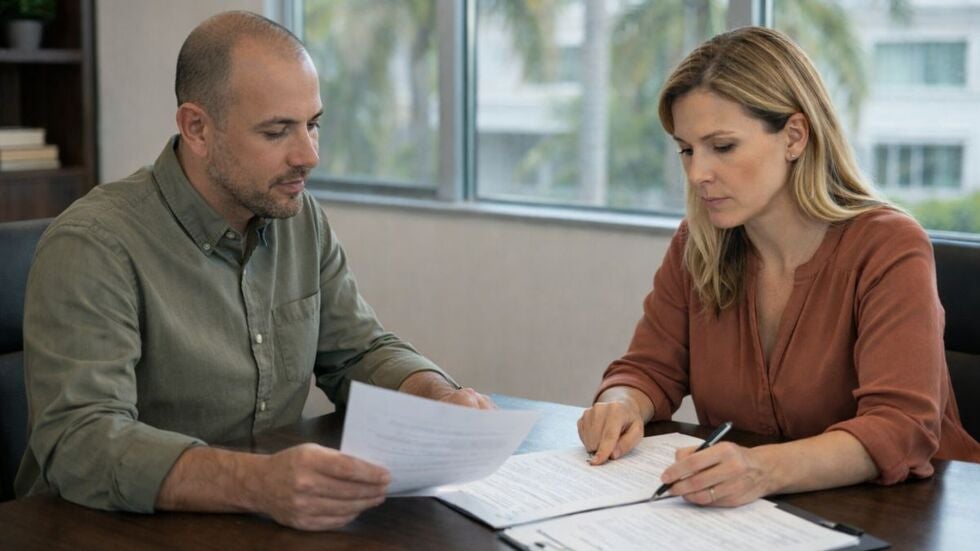
In all cases involving minor children, Florida requires a parenting plan that addresses both time-sharing and parental decision-making. The parenting plan must specify whether parents have shared parental responsibility, shared parental responsibility with ultimate decision-making authority, or sole parental responsibility, and how they will communicate about major decisions.
The plan can also identify which parent has final authority over specific issues, describe methods for resolving disagreements, and set expectations for day‑to‑day communication about the child. Using clear, detailed language in the parenting plan helps reduce future conflict and makes enforcement easier if problems arise.
How Courts Decide What Is in the Child's Best Interests
Florida courts focus on the best interests of the child, not the preferences of the parents. Judges evaluate many factors, including:
-
Each parent's willingness and ability to support a meaningful relationship between the child and the other parent
-
The moral fitness and mental health of each parent
-
The child's school, home, and community stability
-
Each parent's involvement in the child's daily life
-
The ability of parents to communicate and make joint decisions
A strong parental responsibility case requires careful preparation and a clear presentation of facts that align with these factors, supported by documents, witness testimony, and records that show how each parent meets or fails to meet the child's needs.
How Segarra & Associates, P.A. Helps With Parental Responsibility Cases
Parental responsibility disputes are often emotional and complex. At Segarra & Associates, P.A., we take a structured and child-focused approach to these cases.
Our work includes:
-
Explaining how Florida courts apply parental responsibility laws
-
Reviewing your family's history and current parenting dynamics
-
Helping gather documentation, records, and witness testimony
-
Preparing clear legal arguments for mediation or court
-
Advocating for arrangements that reflect your child's needs
We represent parents seeking shared parental responsibility, those requesting shared parental responsibility with ultimate decision-making authority, and those pursuing sole parental responsibility when safety or stability is a concern.
Parental Responsibility in Divorce, Paternity, and Modification Cases
Parental responsibility issues arise in several types of family law matters, including:
-
Divorce involving minor children
-
Paternity actions establishing parental rights
-
Modifications of existing parenting plans
-
Enforcement actions when court orders are not followed
If circumstances change after a court order is entered, it may be possible to seek a modification. Florida law requires proof of a substantial, material, and unanticipated change, along with evidence that the proposed change serves the child's best interests.
Why Early Legal Guidance Matters
Mistakes made early in a parental responsibility case can affect your rights for years. Informal agreements, poorly worded parenting plans, or missing evidence can weaken your position later.
Working with an experienced Florida family law attorney helps ensure that:
-
Your rights are clearly defined
-
Parenting plans reflect real-world parenting needs
-
Court filings and testimony are consistent and accurate
-
The child's welfare remains the focus throughout the case
Need Help With Time Sharing and Parenting?
Questions about time sharing and parenting plans often arise alongside parental responsibility, especially when parents disagree about schedules, holidays, transportation, or day-to-day routines that affect a child's stability. At Segarra & Associates, P.A., we help parents address time-sharing and parenting concerns in divorce, paternity, and post-judgment matters by focusing on practical solutions that reflect the child's best interests under Florida law.
Frequently Asked Questions
Is shared parental responsibility the same as equal time sharing?
No, shared parental responsibility is not equivalent to equal time sharing. It pertains to decision-making authority rather than the amount of time each parent spends with the child. Time sharing is handled separately through a parenting plan, which specifies the child's residence and the division of parenting time.
Can one parent have sole responsibility for medical decisions only?
Yes, one parent can have sole responsibility for medical decisions only. Sometimes, courts order shared parental responsibility but assign one parent the final say on particular matters like medical or educational decisions. Alternatively, they may grant sole parental responsibility in a specific area.
Can parental responsibility orders be changed later?
Yes, parental responsibility orders can be modified later, but only if there is a significant change in circumstances and the change is in the child's best interests, in accordance with Florida's legal standards.
Talk With a Florida Parental Responsibility Attorney
If you are dealing with a parental responsibility dispute or need support with a parenting plan, Segarra & Associates, P.A. can assist you. We serve families throughout Miami-Dade and Orlando and focus on practical, child-centered solutions grounded in Florida law.
Discuss Your Parental Responsibility Concerns With A Member Of Our Legal Team
Call Segarra & Associates, P.A. at (305) 742-5042 Today For A Confidential Consultation.
Disclaimer: This article provides general information and does not serve as legal advice. For legal concerns, consult a licensed attorney. Viewing or interacting with this content does not create an attorney-client relationship. This includes submitting a form, leaving a comment, sending a message, making a call, or leaving a voicemail. Laws may vary by jurisdiction. Laws are subject to change; always verify current legal requirements with a qualified professional. Remember that each case is different, the results of each case will vary, and that all videos posted on this website are not legal advice.
© All Rights Reserved.
Engagement Notice:
An attorney–client relationship with Segarra & Associates, P.A. begins only upon a written agreement and retainer payment, confirmed in a signed engagement letter. Do not send confidential information until such an agreement is executed.
Jurisdictional Statement:
Segarra & Associates, P.A. practices law exclusively within the State of Florida. Representation in other jurisdictions may involve association with local counsel.